
AI RESEARCH
AI Research
Accessible coverage of AI research in machine learning, reasoning, multimodal systems, agents, robotics, evaluation, and safety.
Articles in this section
27 articles in this topic.
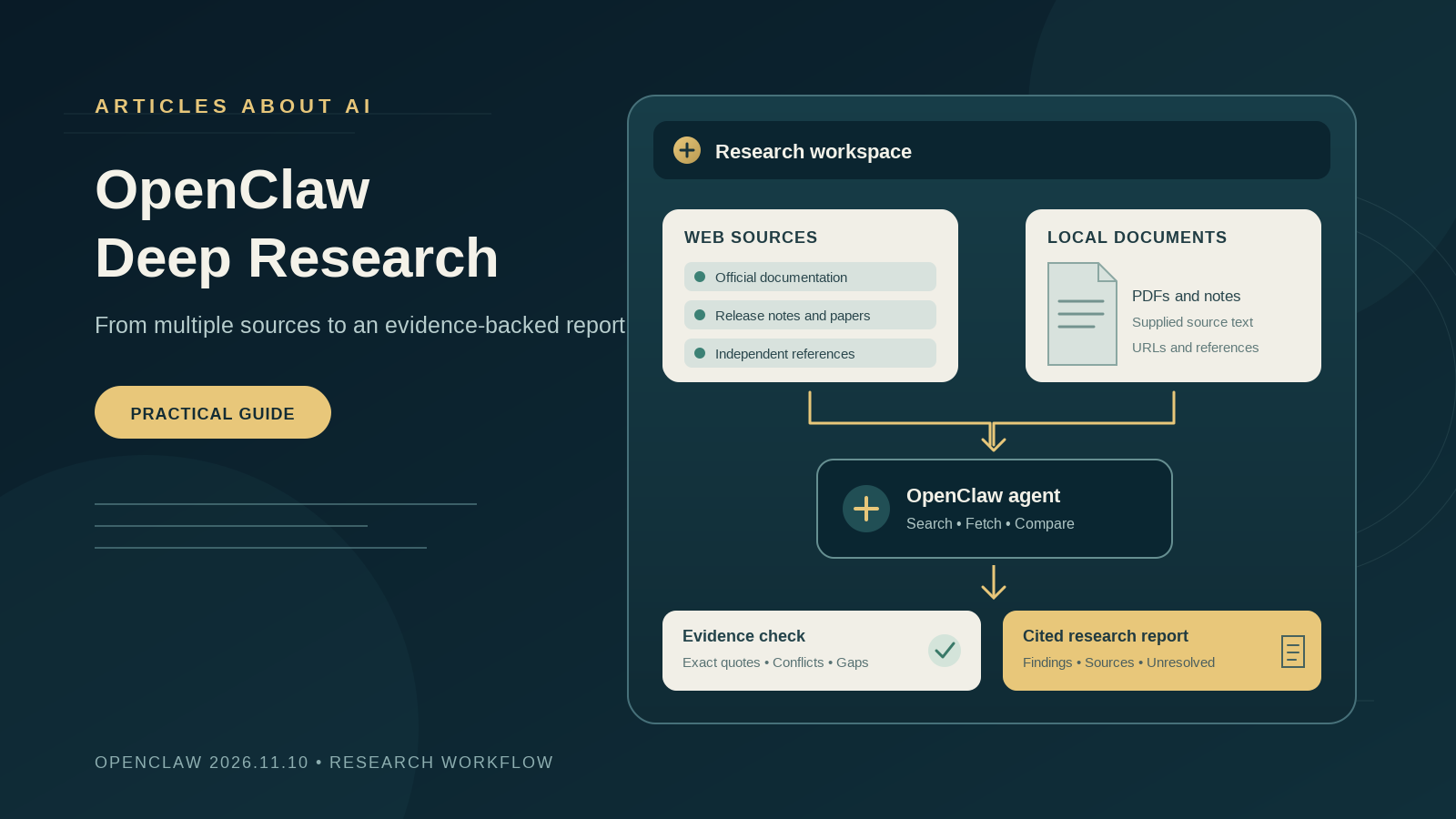
How to Use OpenClaw Deep Research: A Practical Guide
Learn how to run OpenClaw Deep Research across web sources and local files, choose an engine, verify citations, inspect conflicting evidence, and manage saved research jobs.
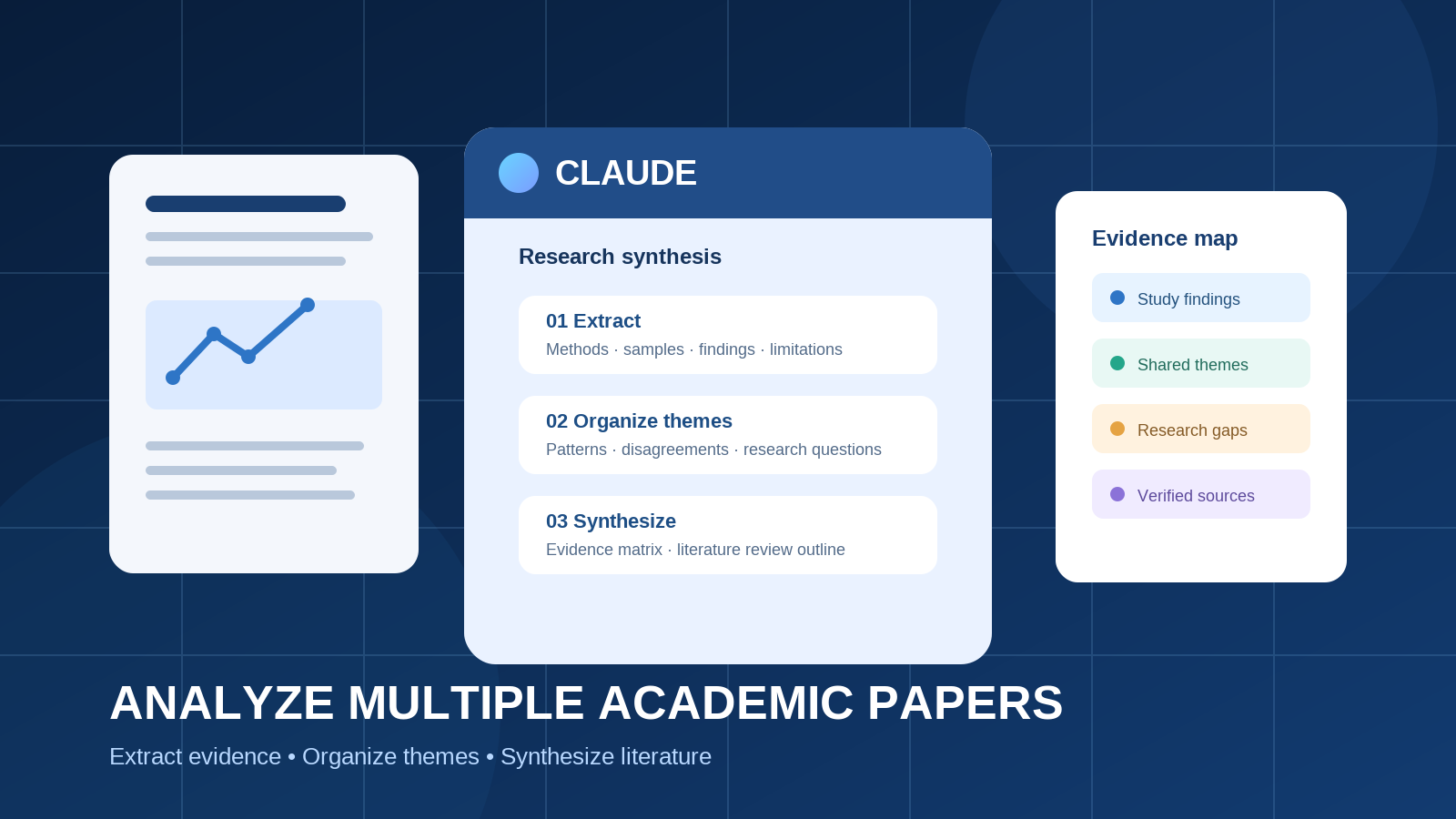
How to Use Claude to Analyze Multiple Academic Papers at Once
Learn how to analyze a collection of academic papers with Claude, extract consistent findings, organize themes, identify research gaps, and build a literature review with verified evidence.
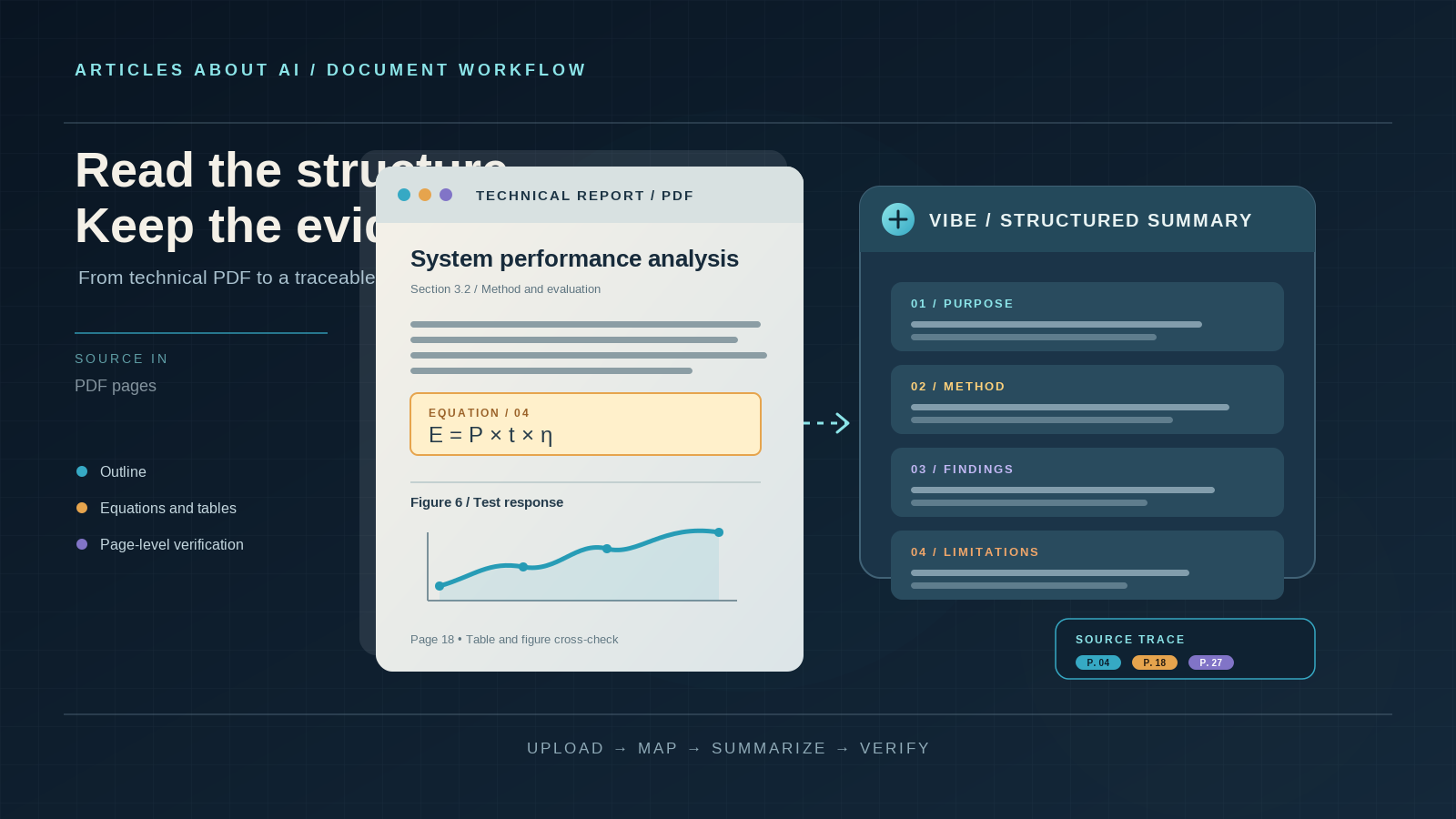
How to Use Mistral Le Chat to Summarize a Technical PDF
Learn how to use Mistral Le Chat, now Vibe, to summarize technical PDFs with structured prompts, source checks, equation reviews, and privacy safeguards.
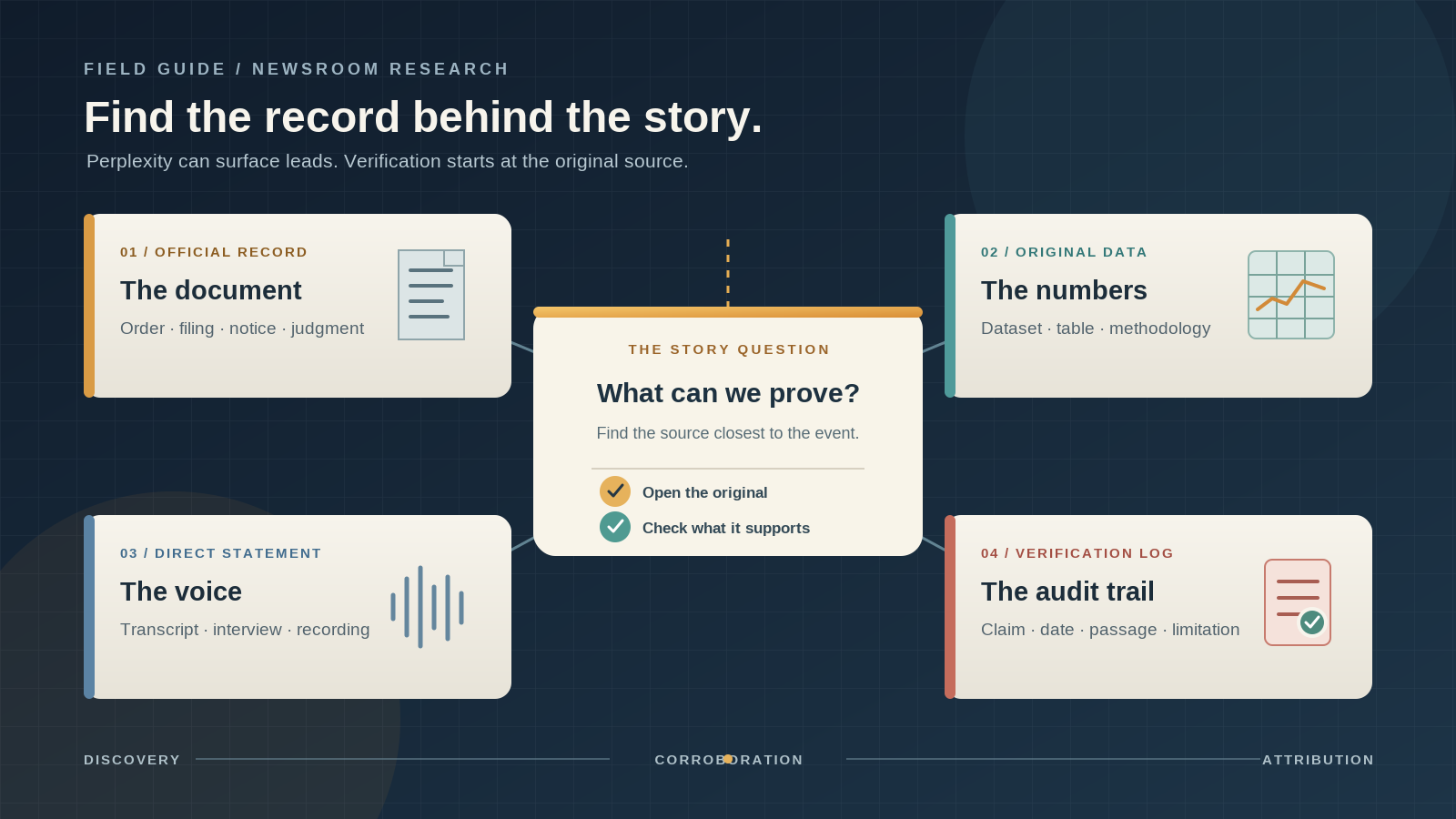
How to Use Perplexity to Find Primary Sources for a News Story
Use Perplexity to find primary sources for a news story, trace claims to original records, verify dates, and build an evidence log before publication.
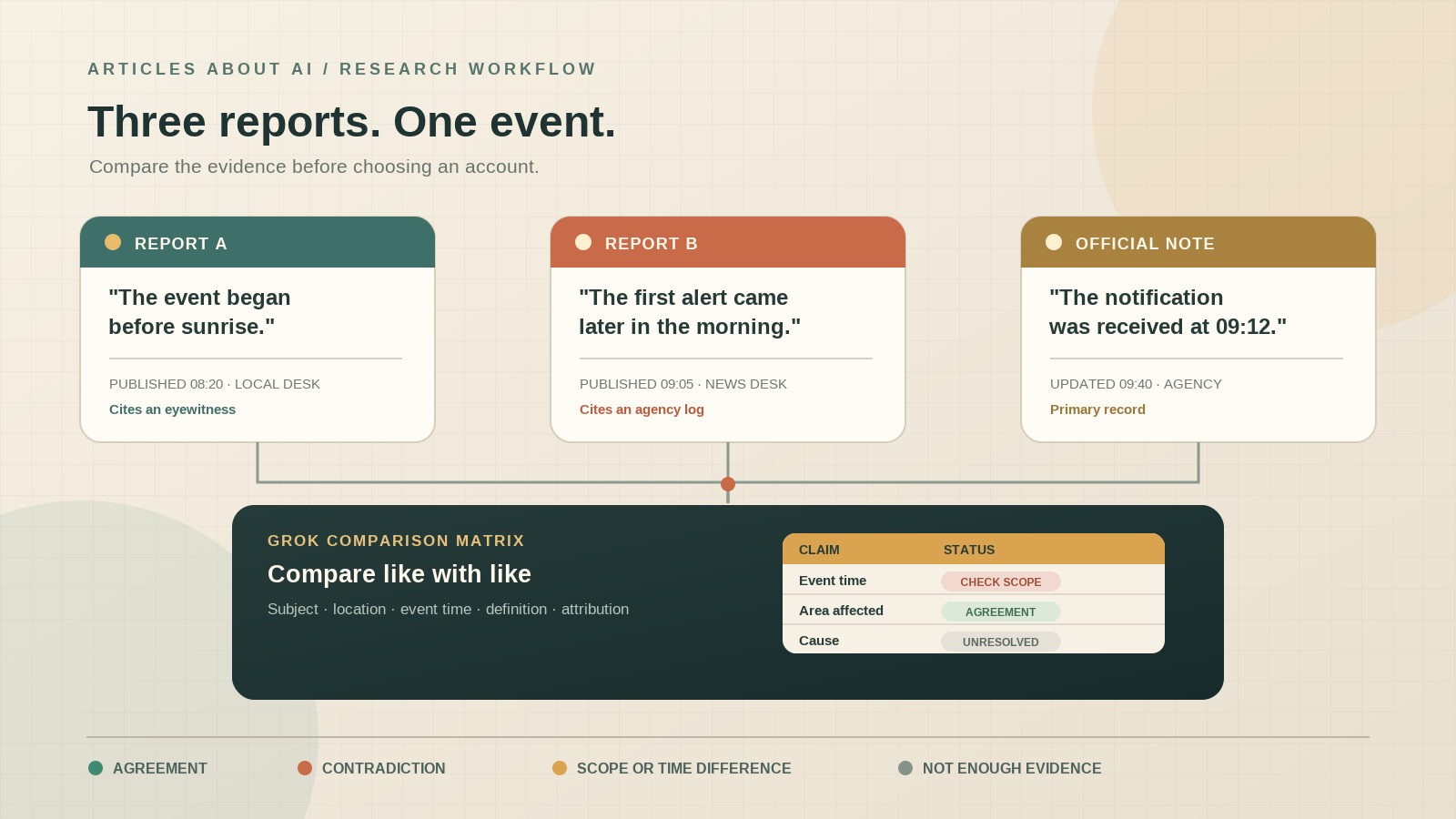
How to Use Grok to Compare Conflicting Reports About an Event
Learn how to compare conflicting news reports with Grok, map shared evidence, separate real contradictions from timing differences, and build a source-grounded comparison.
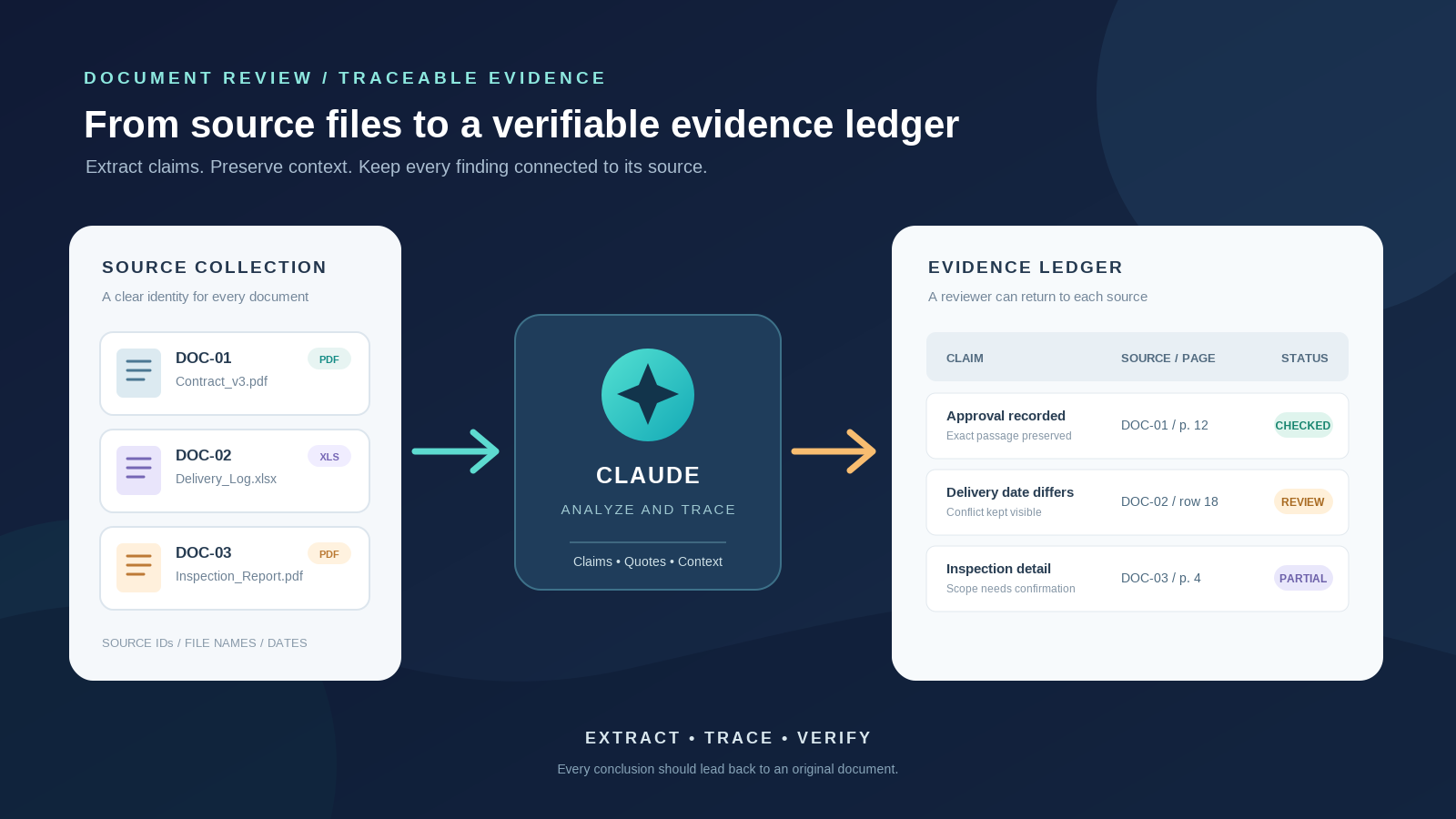
How to Use Claude to Extract Evidence from a Collection of Documents
Use Claude to extract evidence from multiple documents with a source register, page-level references, an evidence matrix, and a verification workflow.
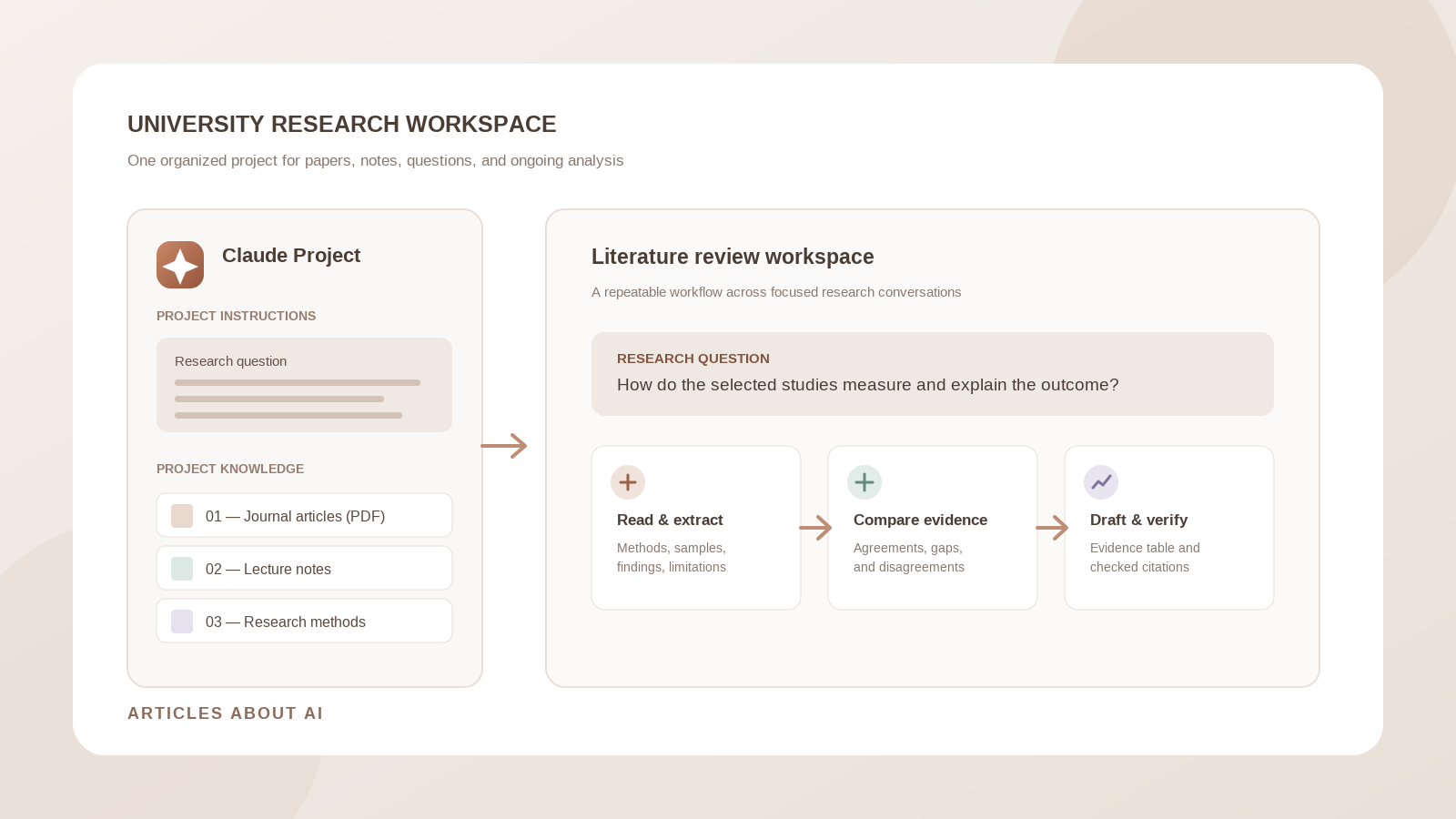
How to Use Claude Projects to Organize University Research
Learn how to use Claude Projects to organize university research, store academic PDFs, set research instructions, compare papers, manage literature reviews, and verify evidence.
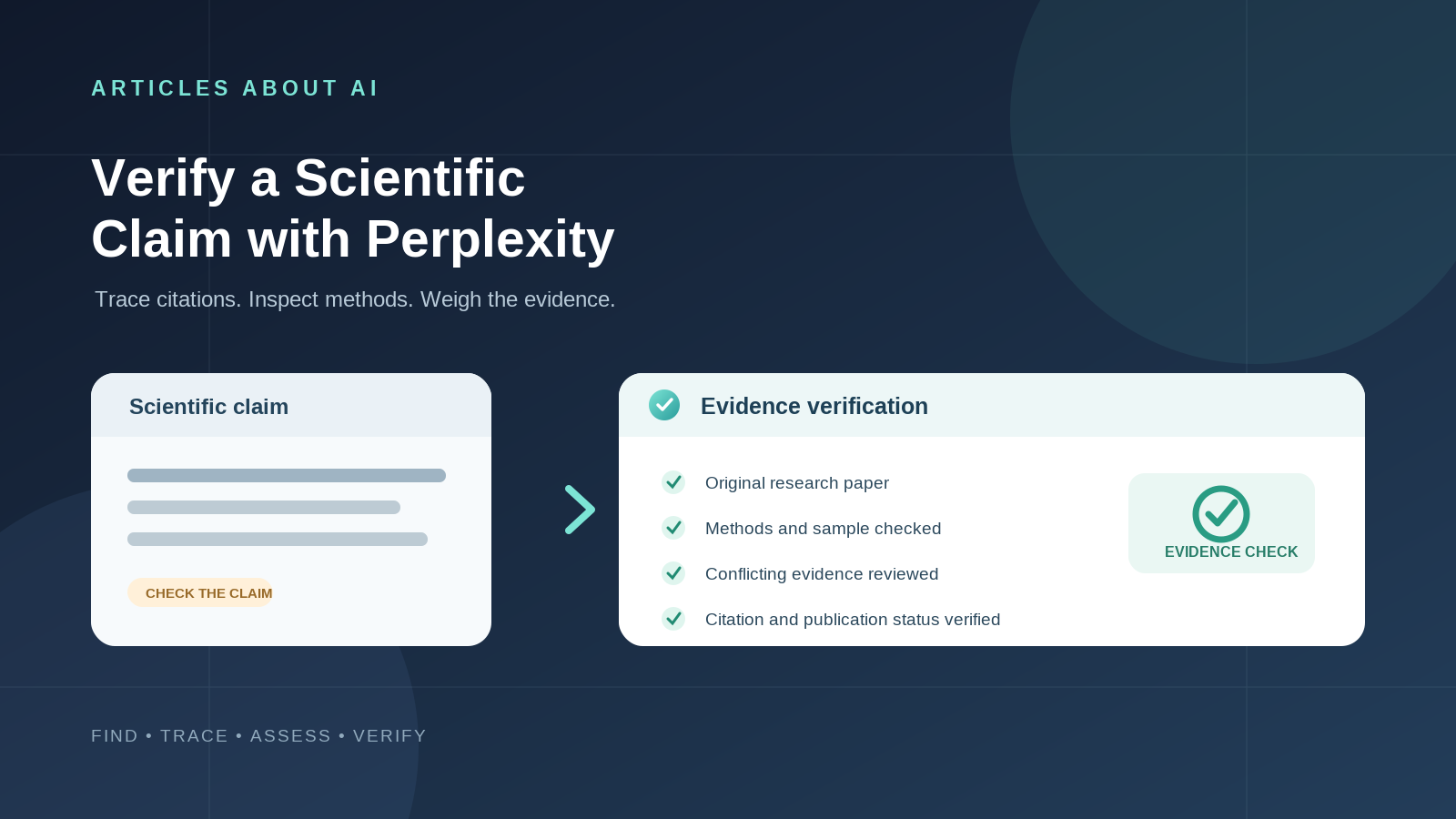
How to Use Perplexity to Verify a Scientific Claim
Learn how to fact-check scientific claims with Perplexity AI, trace citations to original studies, assess research quality, compare evidence, and spot unsupported conclusions.
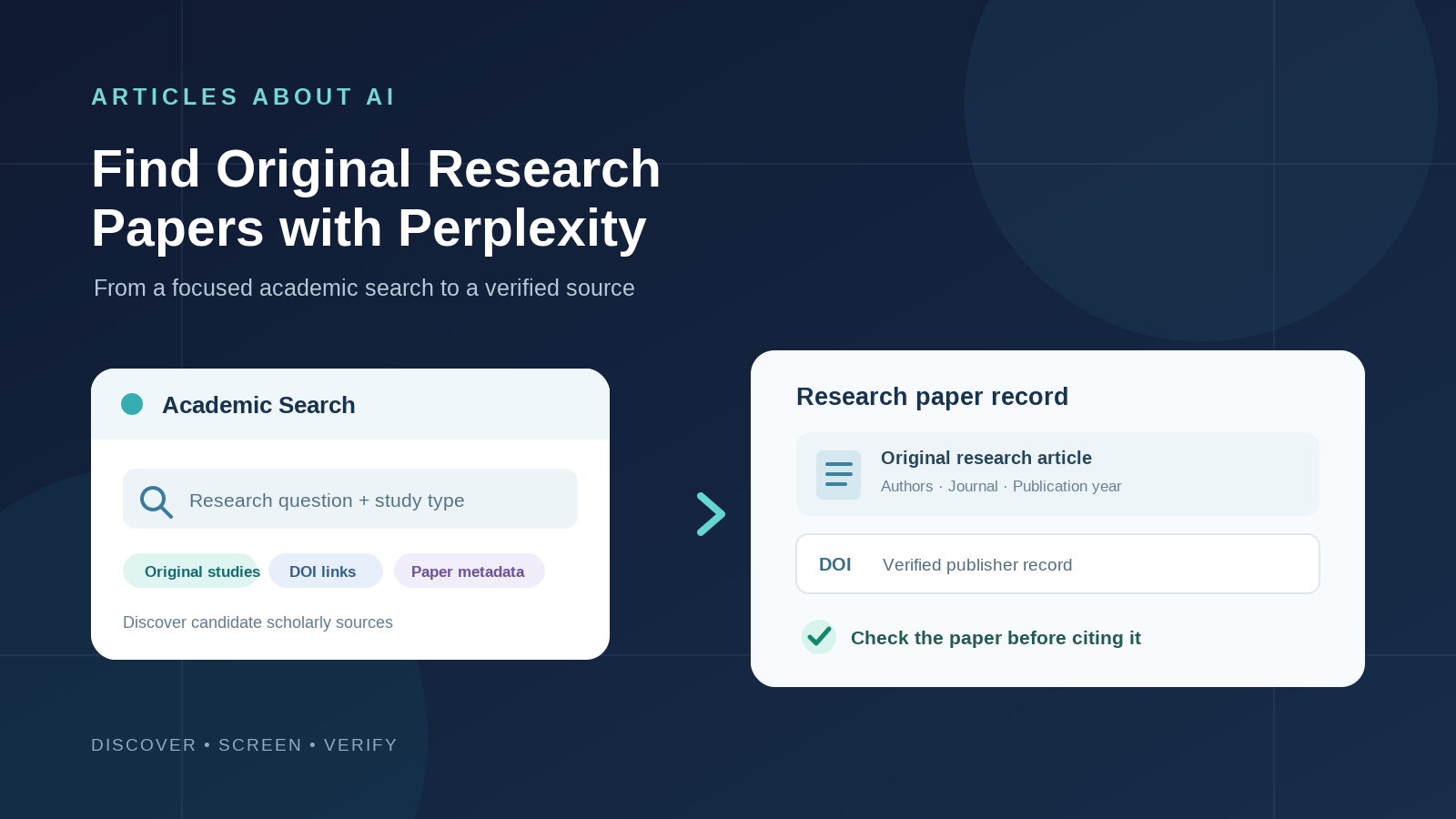
How to Use Perplexity to Find Original Research Papers
Learn how to use Perplexity Academic Search to discover original research papers, find DOI and publisher links, screen studies, and verify scholarly sources.
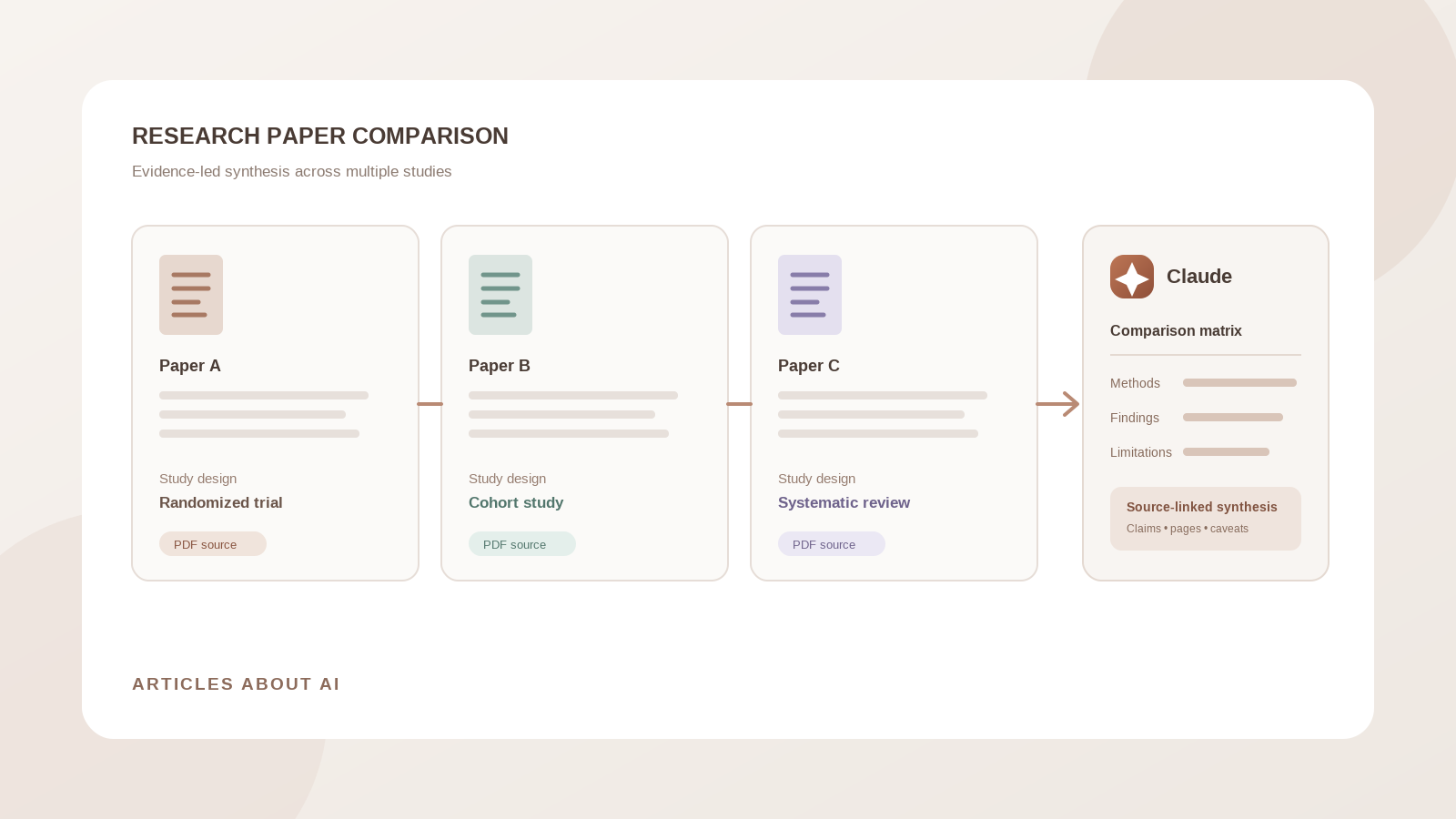
How to Use Claude to Compare Multiple Research Papers
Learn how to compare multiple research papers with Claude using PDF uploads, Projects, evidence tables, study-method comparisons, and source verification.
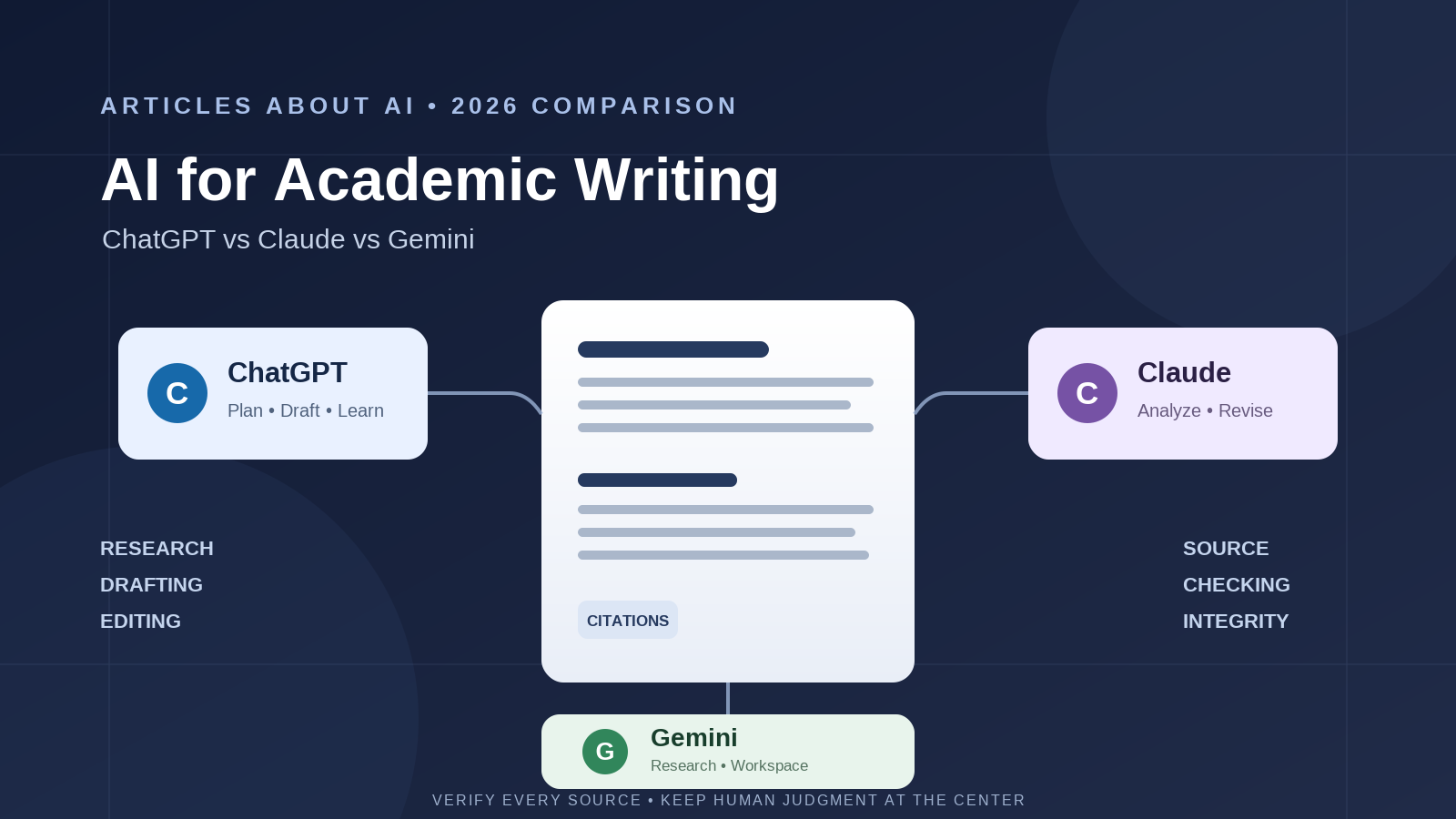
ChatGPT vs Claude vs Gemini for Academic Writing: Which AI Is Best in 2026?
Compare ChatGPT, Claude, and Google Gemini for academic writing, literature reviews, research papers, citations, editing, PDF analysis, and academic integrity.
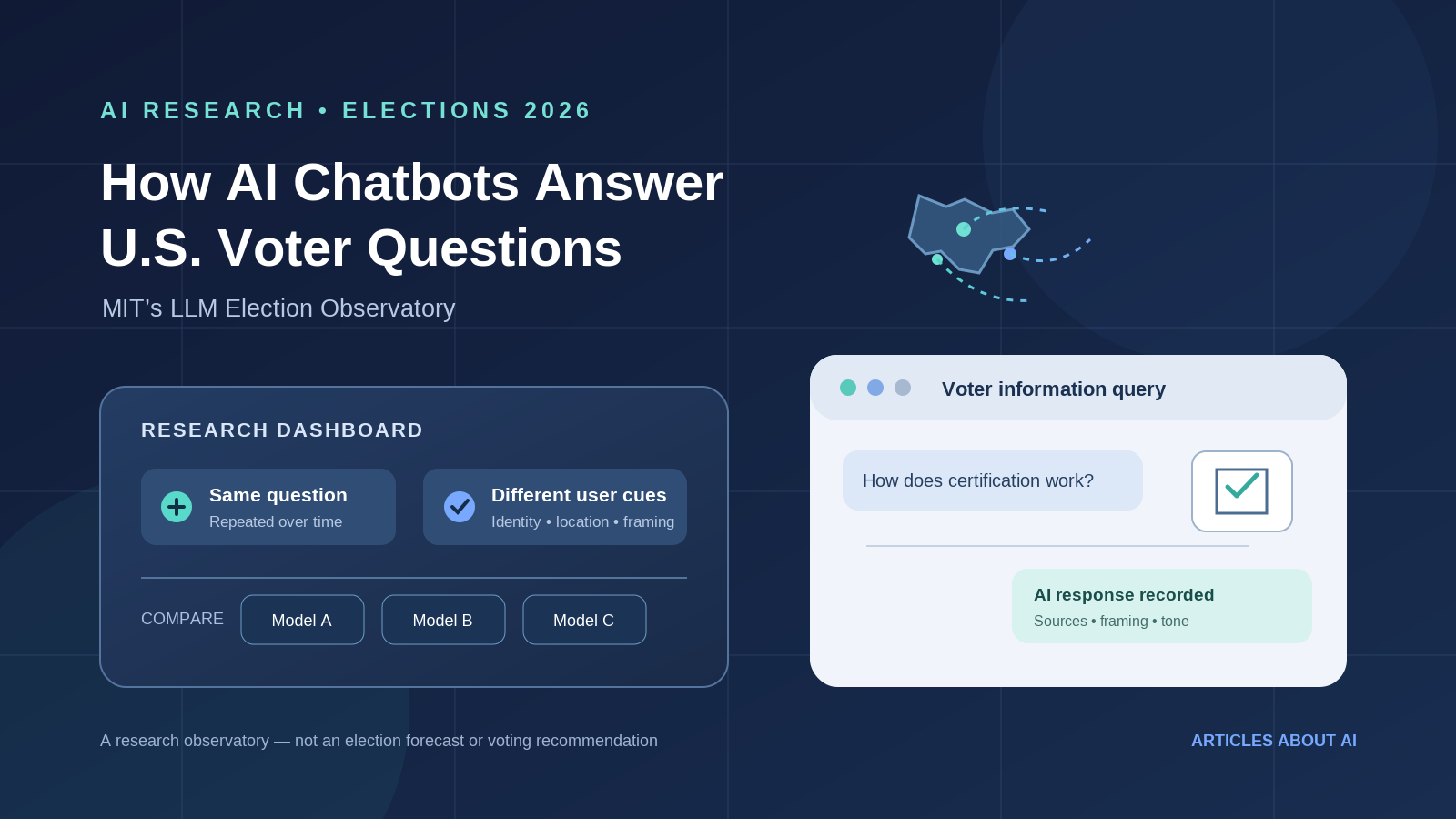
MIT Launches AI Election Observatory to Track How Chatbots Answer Questions About the 2026 U.S. Midterm Elections
MIT researchers launched the LLM Election Observatory to compare how AI chatbots answer 2026 U.S. midterm election questions across models, prompts, user identities, and time.
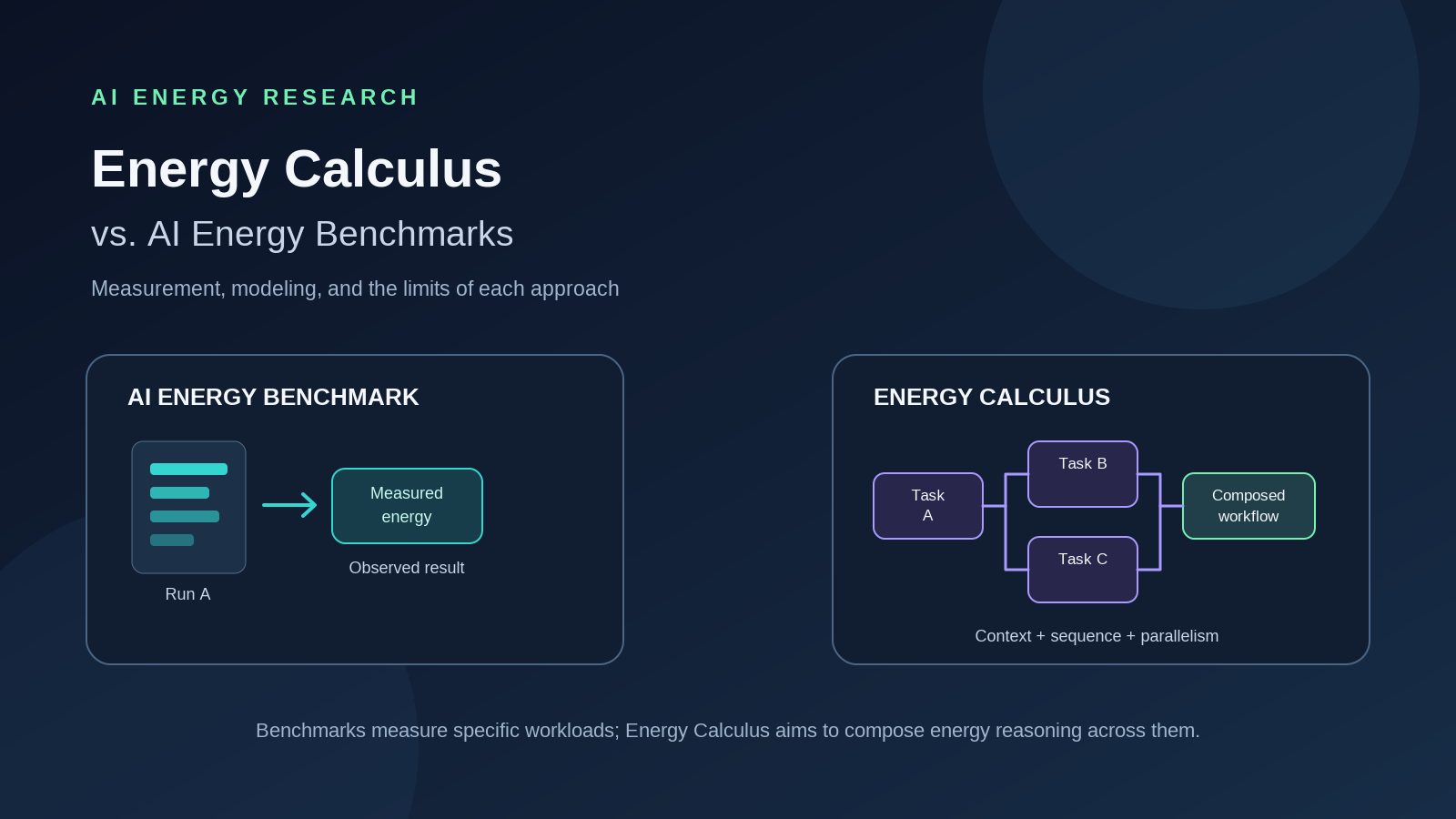
Energy Calculus vs AI Energy Benchmarks: What Each Can Tell You
Energy Calculus vs AI energy benchmarks: understand what each measures, how compositional energy modeling works, and what developers should verify before trusting energy-efficiency claims.
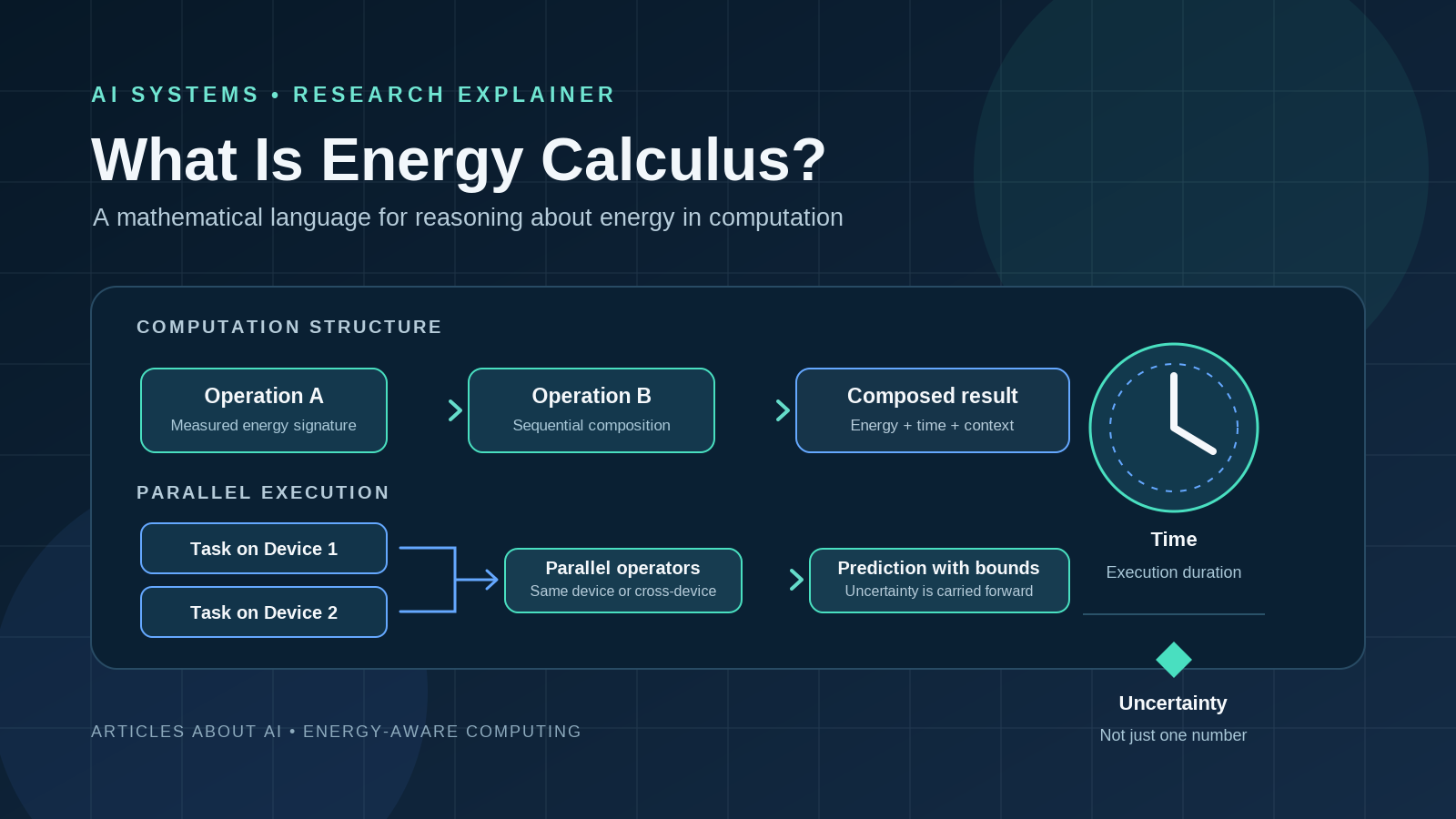
What Is Energy Calculus? How the Mathematical Framework Models AI Energy Use
Learn what Energy Calculus means, how its sequential and parallel composition operators work, why measurement context and uncertainty matter, and how the framework differs from an AI energy benchmark.
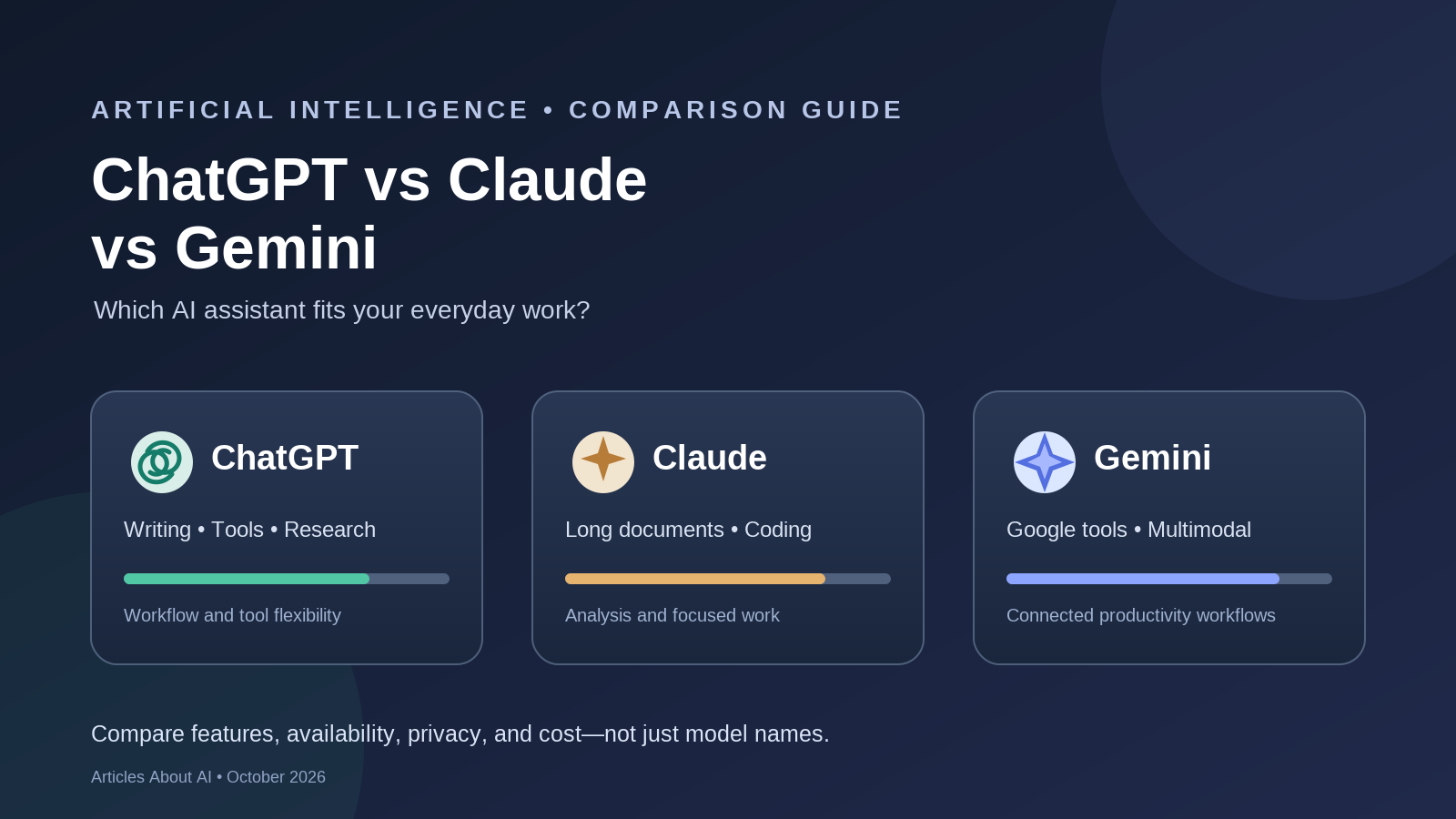
ChatGPT vs Claude vs Gemini: Which AI Assistant Is Best in 2026?
Compare ChatGPT, Claude, and Google Gemini for writing, research, coding, document analysis, multimodal tasks, privacy, pricing, and everyday productivity.
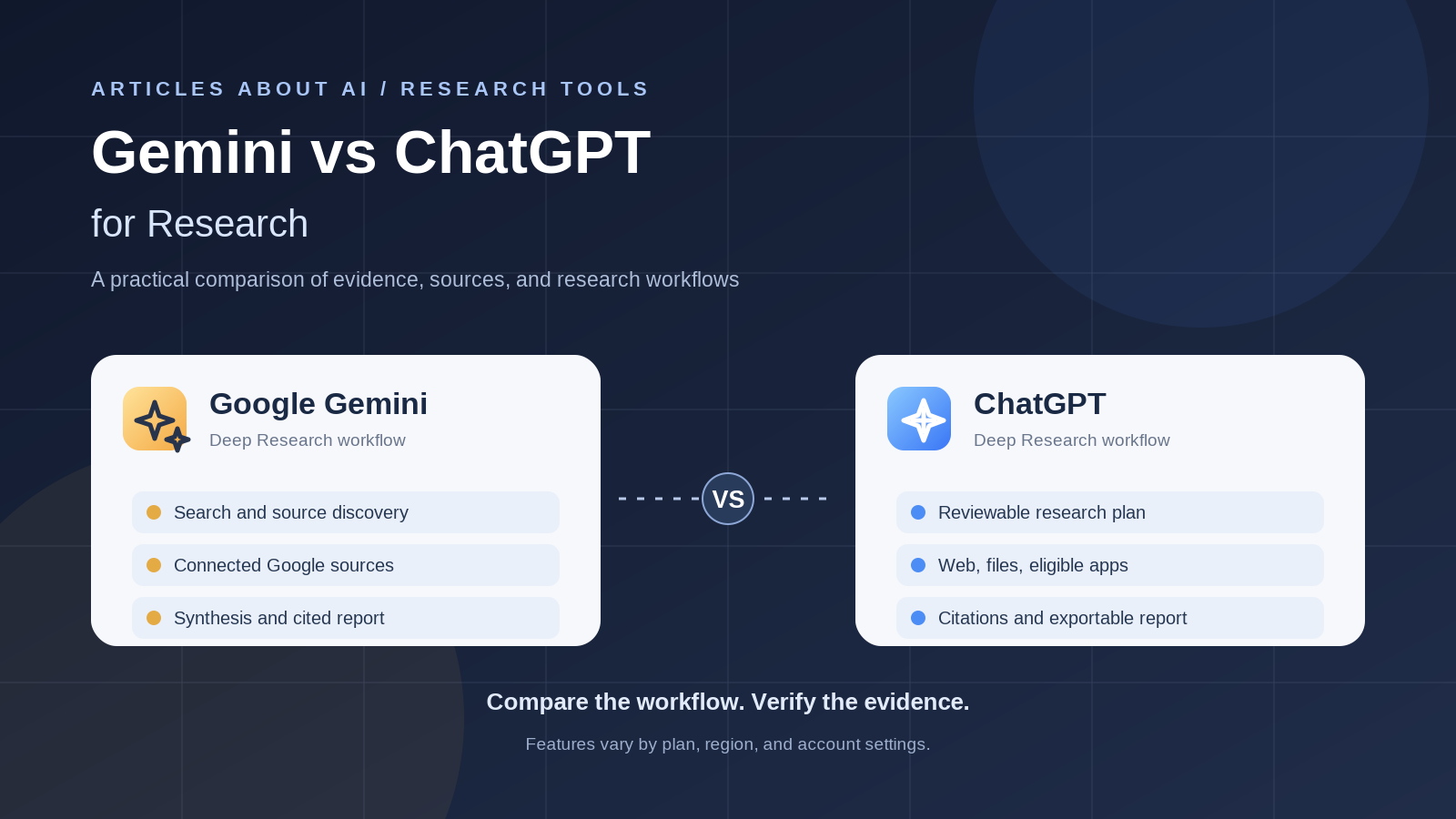
Gemini vs ChatGPT for Research: Which AI Gives Better Answers?
Compare Gemini and ChatGPT for AI research, source quality, citations, long reports, Google integrations, file analysis, and fact-checking.
Gemini 4 vs GPT-6: Which Model Is Better for Multimodal Tasks?
Compare Gemini 4 and GPT-6 for image understanding, document analysis, audio, video, and mixed-input workflows—with a practical evaluation checklist and verified-source guidance.
GPT-6 vs Claude Opus 5.5 for Complex Reasoning: A Repeatable Test Framework
Compare GPT-6 and Claude Opus 5.5 on difficult reasoning tasks with a fair, repeatable test plan, scoring rubric, and checks for accuracy, consistency, and cost.

Gemini 4 Argon vs Meta Muse Wonder: Pricing, Access, and What the Launches Actually Prove
A source-led comparison of Google Gemini 4 Argon and Meta Muse Wonder, covering announced pricing, access, intended workloads, and the limits of vendor benchmark claims.
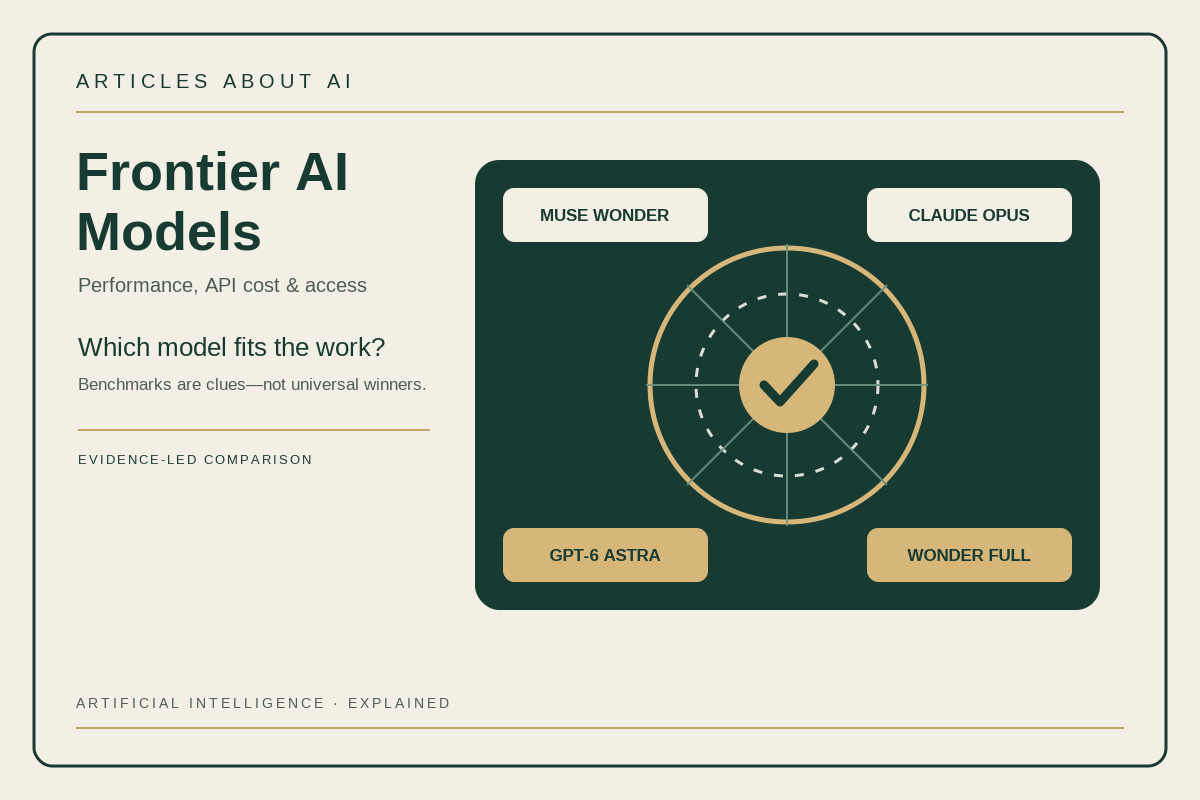
Meta Muse Wonder vs Claude Opus 5.5 vs GPT-6 Astra: Benchmarks, API Costs, and Access
Compare Muse Wonder, Muse Wonder Full, Claude Opus 5.5, and GPT-6 Astra using published benchmark results, current API prices, and access limits for agentic coding and professional work.
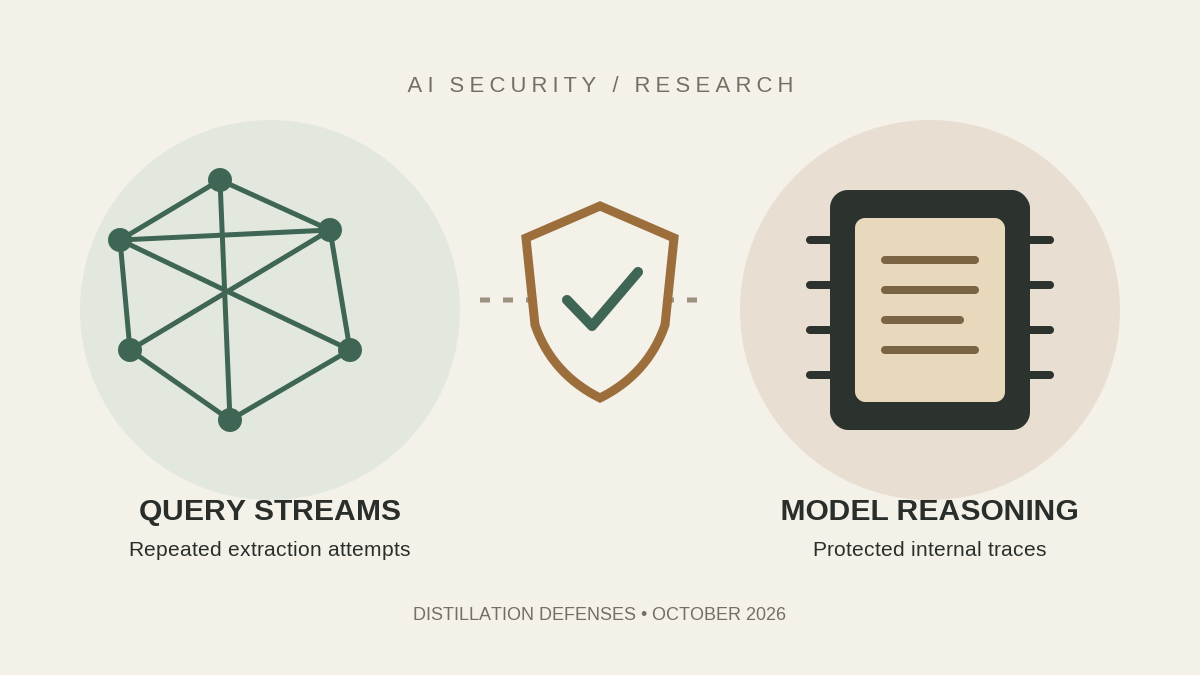
Anthropic’s AI Distillation Defenses: What the Results Actually Show
Anthropic says new safeguards cut reasoning-data extraction by 90–99%. Here is what its benchmark results show, what remains unverified, and why it matters for AI developers.
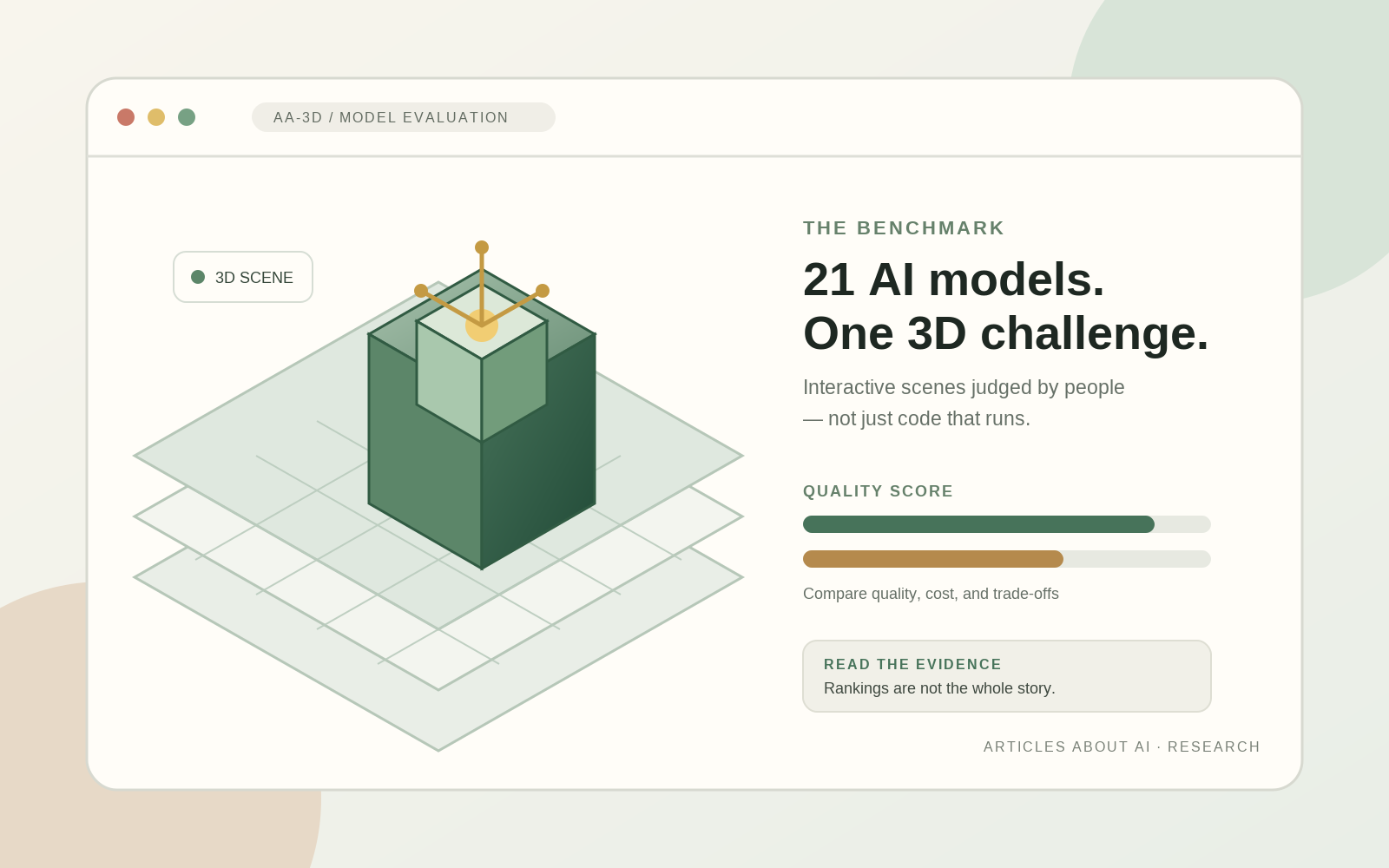
Which AI Model Builds the Best Interactive 3D Scenes? AA-3D Compared 21 Models
Artificial Analysis’s new AA-3D benchmark compares 21 AI models on interactive 3D scene creation. See the measured rankings, cost trade-offs, and what the test cannot tell you.
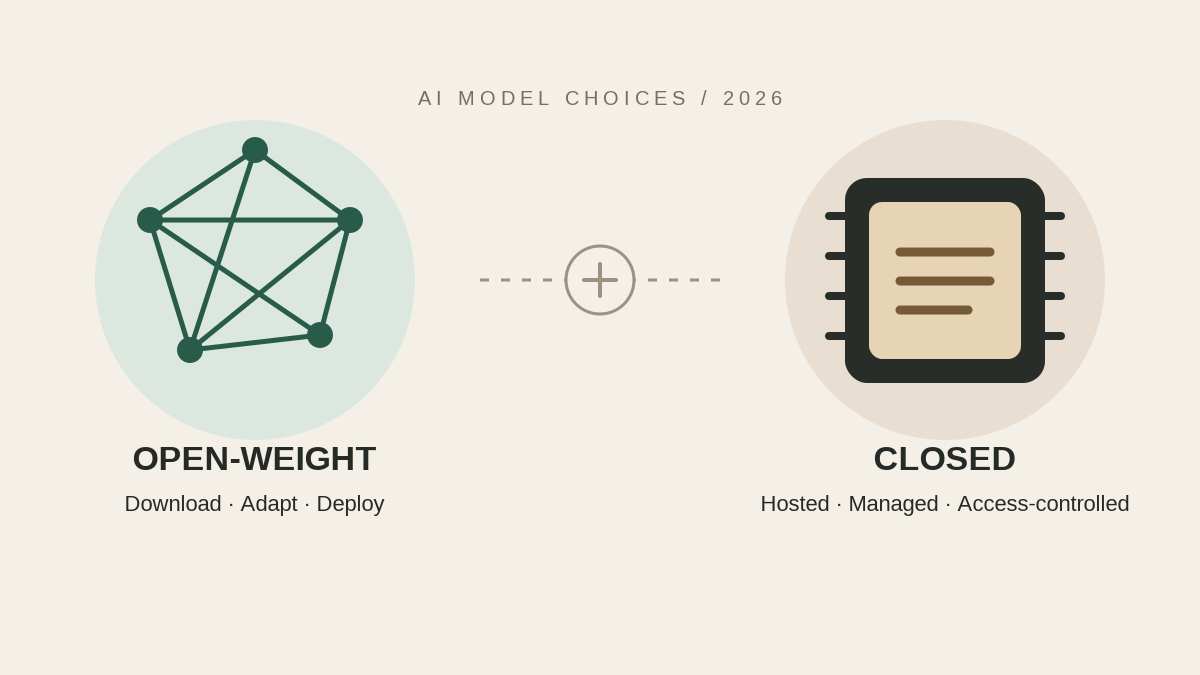
Open-Weight vs. Closed AI Models in 2026: What Independent Benchmarks Actually Show
Compare open-weight and closed AI models using recent third-party benchmark evidence. Learn what rankings reveal, what they miss, and how to choose for your needs.
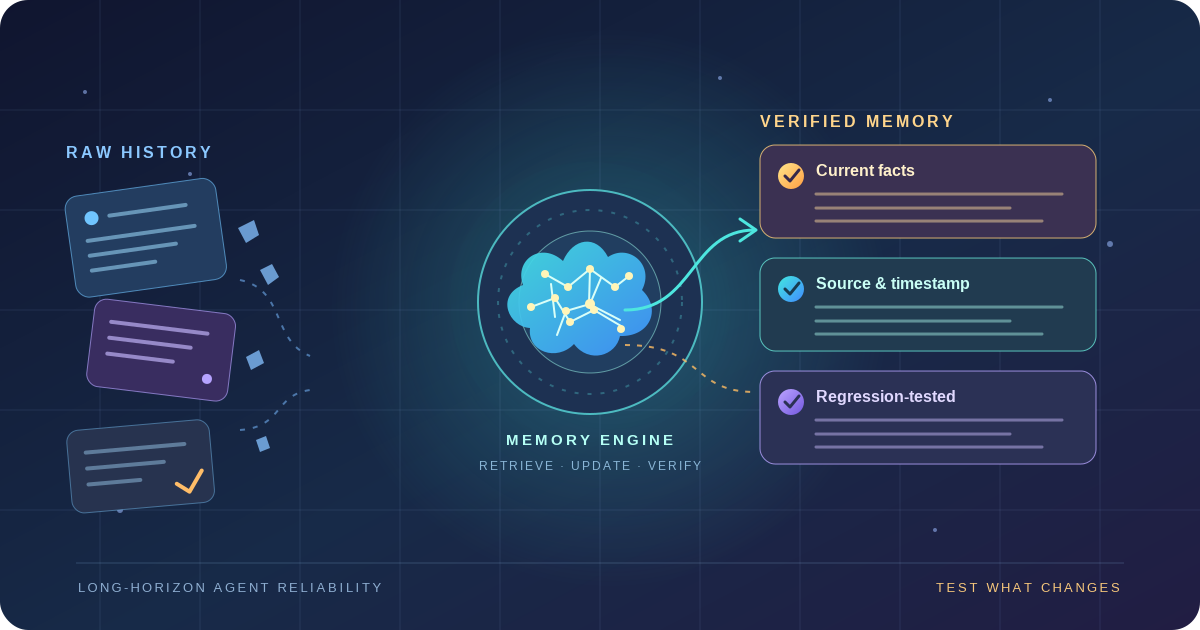
Why AI Agents Degrade Over Time: Testing and Maintaining Long-Term Memory
Learn why AI agent memory becomes stale or inconsistent and how to test retention, updates, retrieval, and long-term reliability with a practical checklist.
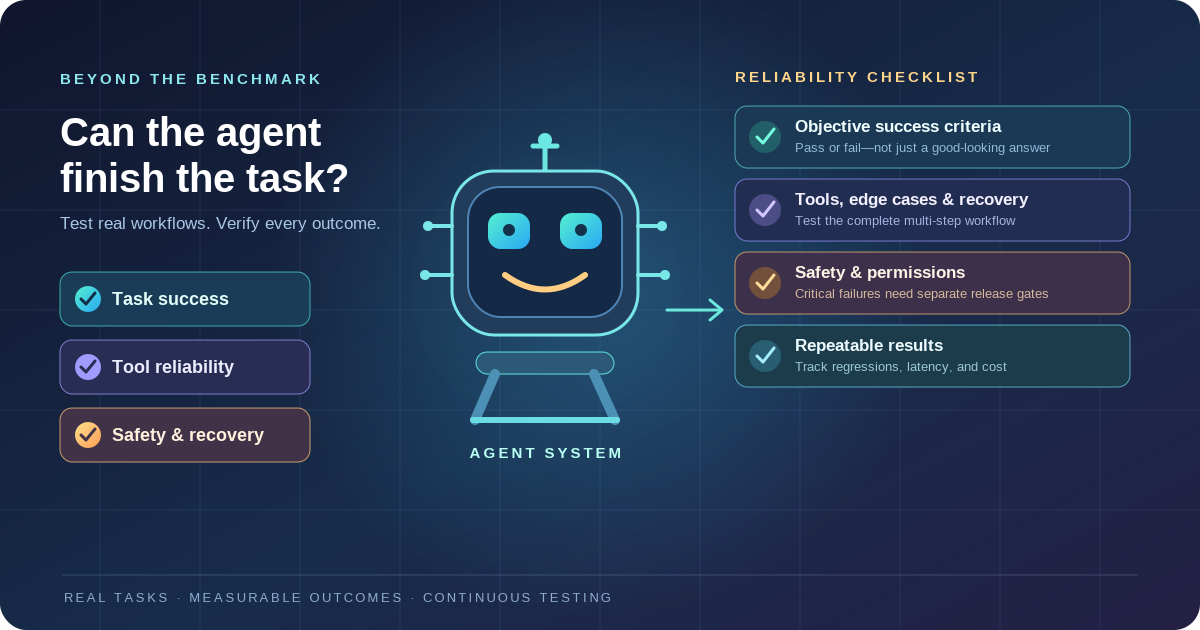
How to Evaluate AI Agents: A Practical Reliability Checklist Beyond Benchmarks
Learn how to evaluate AI agents on real tasks, tool use, reliability, safety, cost, and repeatability with a practical test plan and measurable criteria.
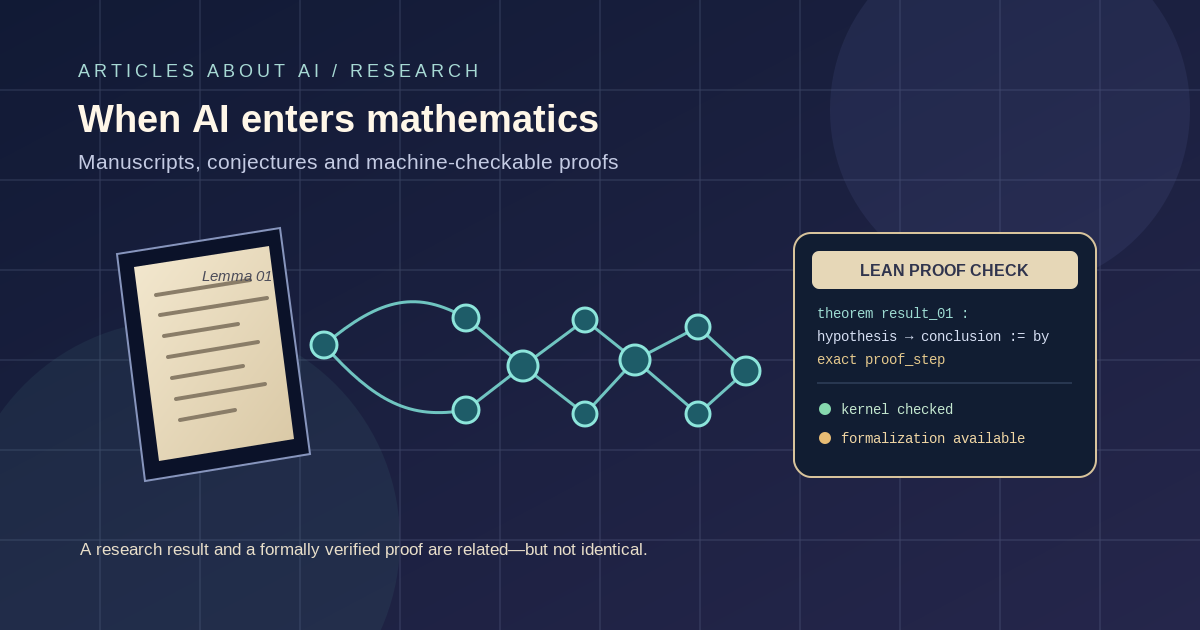
OpenAI Publishes 719 AI-Generated Mathematics Manuscripts: What Is Verified?
OpenAI's October 6, 2026 mathematics release shares 719 manuscripts, Lean proof formalizations, reasoning summaries, and important verification limits.
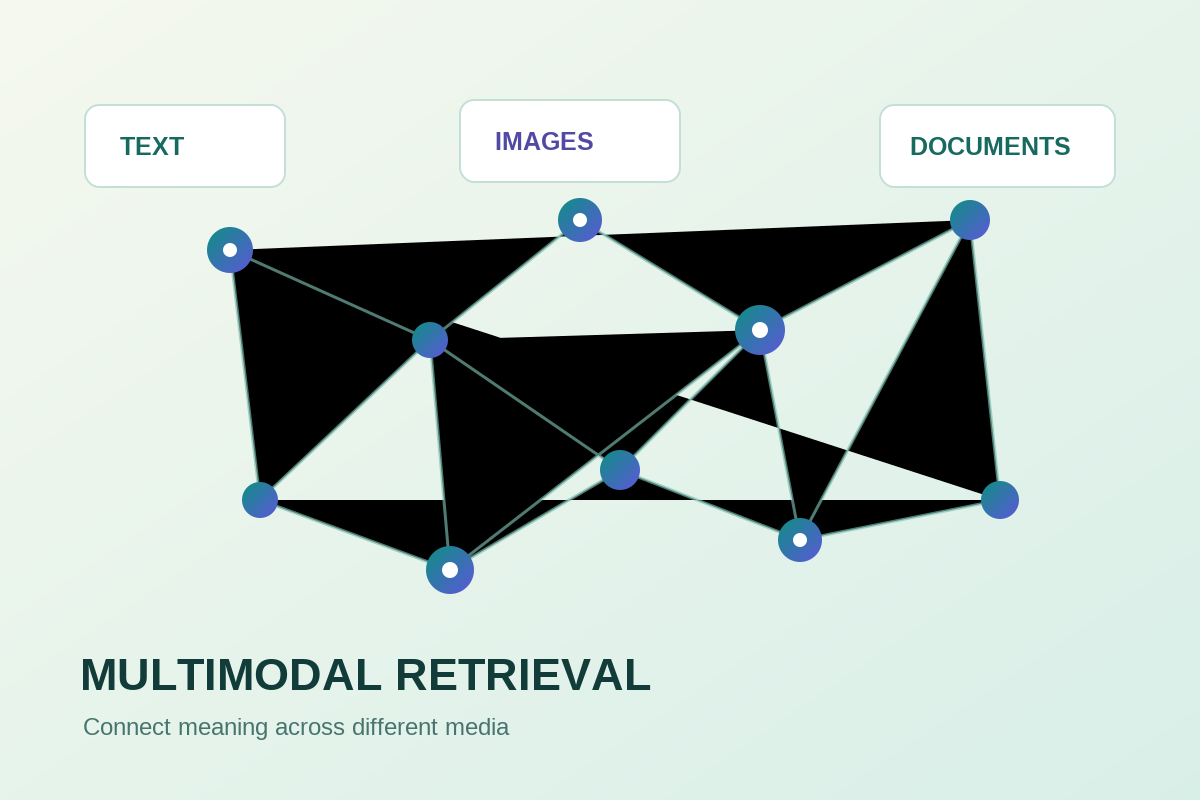
Perplexity's New Multimodal Embeddings: How Late-Interaction Retrieval Could Improve Search
Perplexity has released two late-interaction embedding models for text, images, and visual documents. Learn how multimodal retrieval works, where it may help, and how to evaluate it.